

Key Takeaways
- Charleston’s thriving culinary scene offers exceptional dining experiences at various price points, from affordable local favorites to nationally acclaimed restaurants
- Building a dedicated dining budget into your retirement plan allows you to enjoy the city’s food culture without financial stress
- Strategic approaches like dining during lunch service, exploring Charleston Wine + Food events, and taking advantage of restaurant weeks can maximize your culinary experiences
- Local food tours, cooking classes, and farmers’ markets provide affordable ways to engage with Charleston’s food culture beyond restaurant dining
- Balancing special occasion splurges with everyday affordable options helps retirees fully enjoy Charleston’s culinary offerings sustainably
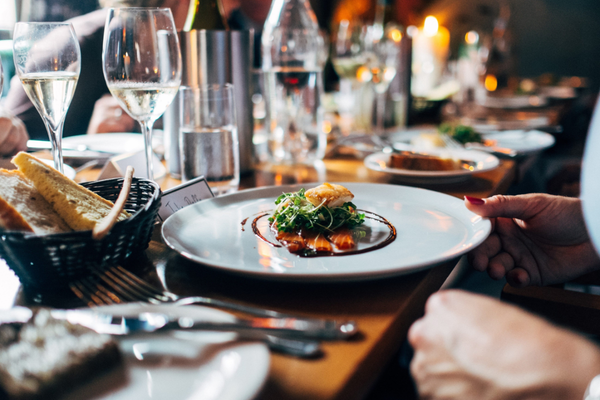
Charleston didn’t earn its reputation as a food lover’s paradise by accident. From James Beard Award winners to hidden gem seafood shacks, this city offers one of the most exciting culinary landscapes in America. For retirees who’ve chosen Charleston as home or those who visit frequently, food isn’t just sustenance. It’s a major part of the lifestyle and culture.
But let’s be honest. Fine dining and regular foodie adventures can add up quickly. The good news? With thoughtful planning and a bit of local knowledge, you can indulge your love of great food without blowing your retirement budget. At Partners in Financial Planning, we help Charleston-area retirees build comprehensive financial plans that include room for the things that bring them joy, such as exceptional meals.
Understanding Charleston’s Dining Landscape
Charleston’s food scene is remarkably diverse. Yes, there are acclaimed fine-dining establishments where you might drop $200 to $300 per person for a tasting menu with wine pairings. But the city also offers incredible oyster roasts, authentic Lowcountry cuisine at neighborhood spots, and everything in between.
Here’s a rough breakdown of what you might expect to spend:
Fine Dining Experiences: $100 to $300+ per person (with beverages)
Places like Husk, FIG, and The Ordinary represent Charleston’s elevated culinary scene. These are special occasion restaurants where you’re paying for exceptional ingredients, skilled preparation, and memorable experiences.
Upscale Casual: $40 to $80 per person
This category includes excellent restaurants with great food and ambiance, without the tasting-menu price tag. Think neighborhood bistros, wine bars, and popular spots where locals eat regularly.
Local Favorites and Casual Dining: $15 to $35 per person
Charleston shines in this category. Fresh seafood, traditional Lowcountry fare, and international cuisines are available at prices that won’t strain your budget.
Quick Bites and Lunch Spots: $10 to $20 per person
Food trucks, sandwich shops, bakeries, and casual lunch spots offer quality food at accessible prices.
Understanding these tiers helps you plan meals strategically throughout the month, mixing special experiences with everyday enjoyment.
Building Your Culinary Budget
When creating a retirement budget that includes dining out, start by getting honest about your current habits and future desires. Are you someone who wants to eat out several times per week, or are you happiest cooking at home most nights with occasional restaurant visits?
A reasonable dining budget for Charleston retirees might range from $300 to $800 per month, depending on how frequently you dine out and the types of restaurants you prefer. Some couples budget significantly more if food is a primary passion and their overall financial situation allows for it.
Here’s one approach that works for many retirees:
- Allocate 60% to 70% of your dining budget to casual and upscale casual experiences
- Reserve 20% to 30% for fine dining special occasions
- Keep 10% flexible for spontaneous discoveries or food events
This structure lets you enjoy regular dining out while saving room for those memorable tasting menus or special celebrations.
Smart Strategies for Maximizing Your Food Experiences
Charleston’s culinary scene offers plenty of opportunities to stretch your dining dollars without sacrificing quality. Here are strategies that work:
Embrace Lunch Service
Many of Charleston’s best restaurants offer lunch menus at significantly lower price points than their dinner menus. You get the same quality ingredients and skilled preparation, often in a more relaxed setting, for 30% to 50% less. It’s one of the best-kept secrets for retirees who have flexible schedules.
Explore Charleston Wine + Food Festival Events
The annual Charleston Wine + Food Festival isn’t just for one week in spring. Throughout the year, related events offer chances to sample multiple restaurants’ offerings for a fixed price. It’s an excellent way to experience variety without committing to full prix fixe dinners.
Take Advantage of Restaurant Weeks
Charleston Restaurant Week happens twice yearly and offers multi-course prix fixe menus at reduced prices across dozens of participating restaurants. It’s an ideal time to try places you’ve been curious about or revisit favorites.
Happy Hour Excellence
Charleston restaurants take their happy hours seriously. Many offer small plates, oysters, and drink specials in the early evening. It’s a perfect option for lighter appetites and smaller budgets.
BYOB Opportunities
Some of Charleston’s most interesting restaurants don’t have liquor licenses and welcome you to bring your own wine. This can save $50 to $100 on a meal when you bring something from home.
Beyond Restaurants: Food Experiences That Enrich Without Breaking the Bank
Charleston’s food culture extends far beyond restaurant dining. Here are affordable ways to engage:
Charleston City Market and Farmers Markets
The Charleston Farmers Market at Marion Square runs every Saturday, April through mid-December. You’ll find local produce, prepared foods, and the chance to chat with farmers and food makers. It’s both a social outing and a source of ingredients for home cooking. The Historic City Market offers prepared foods, local specialties, and artisan products worth exploring.
Cooking Classes
Many Charleston chefs offer cooking classes where you learn Lowcountry techniques and enjoy the meal you’ve prepared. It’s typically $75 to $125 per person, entertainment and dinner in one, plus skills you’ll use at home.
Food Tours
Charleston culinary tours introduce you to multiple restaurants and food purveyors in one experience, usually for $60 to $90 per person. It’s an efficient way to explore different neighborhoods and discover new favorites.
Oyster Roasts and Community Events
Throughout fall and winter, churches, volunteer fire departments, and community organizations host oyster roasts. These casual, family-style events offer bushels of fresh oysters, sides, and great company for $40 to $60 per person.
Making Room for Food in Your Retirement Plan
When we work with clients at Partners in Financial Planning, we emphasize that retirement isn’t about deprivation. It’s about aligning your spending with what matters most to you. If food and dining experiences bring you joy, your financial plan should reflect that.
Here’s how to make it work:
Be Intentional About Trade-offs
Maybe you’re willing to drive your car longer or skip certain subscriptions because dining out matters more to you. That’s perfectly fine. The key is making conscious choices rather than letting spending happen passively.
Create a Separate “Dining” Line Item
Don’t lump restaurant spending in with groceries. Track dining separately to see patterns and make adjustments as needed. Many couples are surprised to discover they’re spending more (or less) than they thought once they start tracking intentionally.
Use the “Special Occasion” Approach
Rather than treating every meal out as routine, create mini celebrations. Anniversaries, birthdays, and visiting friends all become reasons to visit those more expensive restaurants you’ve been eyeing. This adds meaning to the experience and keeps costs manageable.
Balance Eating Out with Cooking
Charleston’s incredible seafood markets and local produce make home cooking here special, too. Shopping at Crosby’s Fish & Shrimp or Mount Pleasant Seafood and preparing your own Lowcountry feast can be both fun and economical. The more you cook at home, the more you can splurge when dining out.
Seasonal Considerations in Charleston
Charleston’s food scene shifts with the seasons, and savvy retirees plan accordingly.
Spring and Fall: Peak tourist seasons mean restaurants are busier and sometimes pricier. However, these seasons also bring food festivals and events. Balance higher restaurant costs by taking advantage of festival value.
Summer: Locals know that summer, especially late summer, often means restaurant deals and less crowded dining rooms. It’s an excellent time to try popular spots without long waits.
Winter: Oyster season runs from November through April. This is when you’ll find the freshest local oysters at the best prices. Take advantage of oyster roasts and raw bars during these months.
Supporting Local While Managing Costs
One of the joys of retirement in Charleston is becoming part of the community. Supporting local restaurants and food businesses matters to many retirees, and there are ways to do this thoughtfully:
- Become a regular at a few neighborhood spots rather than always chasing the newest openings
- Buy gift certificates to favorite restaurants during slower months (they’ll appreciate the cash flow)
- Attend fundraising dinners where proceeds support local nonprofits
- Shop at local fish markets and produce stands regularly
- Leave generous tips when you receive great service
These habits strengthen your community connections while helping you manage your overall food spending.
When Food Spending Becomes Concerning
How do you know if you’re spending too much on dining out? Here are some warning signs:
- You’re regularly dipping into savings to cover restaurant bills
- You feel anxiety or guilt after meals out
- You’re sacrificing other important goals (travel, gifts, charity) to maintain dining frequency
- Your overall monthly spending consistently exceeds your income
If you’re seeing these patterns, it’s time to reassess. This doesn’t mean giving up dining out entirely. It means finding a sustainable level that fits your bigger financial picture.
Enjoying Charleston’s Food Scene for the Long Term
The goal isn’t to create a budget so restrictive that you can’t enjoy what makes Charleston special. It’s about spending mindfully so you can continue to experience great food throughout your retirement years.
Remember, you’re not just budgeting for this year. You’re planning for decades of enjoyment. Finding the right balance now means you’ll still be exploring Charleston’s incredible culinary scene years from now without financial stress.
Let’s Build a Plan That Feeds Your Soul
At Partners in Financial Planning, we believe retirement planning should account for the lifestyle you want to live, including the simple pleasure of a great meal in good company. Our comprehensive approach ensures you can enjoy Charleston’s incredible food scene while maintaining long-term financial security.
If you’d like to create a retirement plan that includes room for the things you love most, including culinary adventures, let’s talk. We’re here to help you build a financial strategy that’s as satisfying as a perfect Lowcountry feast.
About Us
Partners in Financial Planning provides tax-focused, comprehensive, fee-only financial planning and investment management services. With locations in Salem, Virginia and Charleston, South Carolina, our team is well-equipped to serve clients both locally and nationally with over 100 years of combined experience and knowledge in financial services.
To learn more, visit https://partnersinfinancialplanning.com